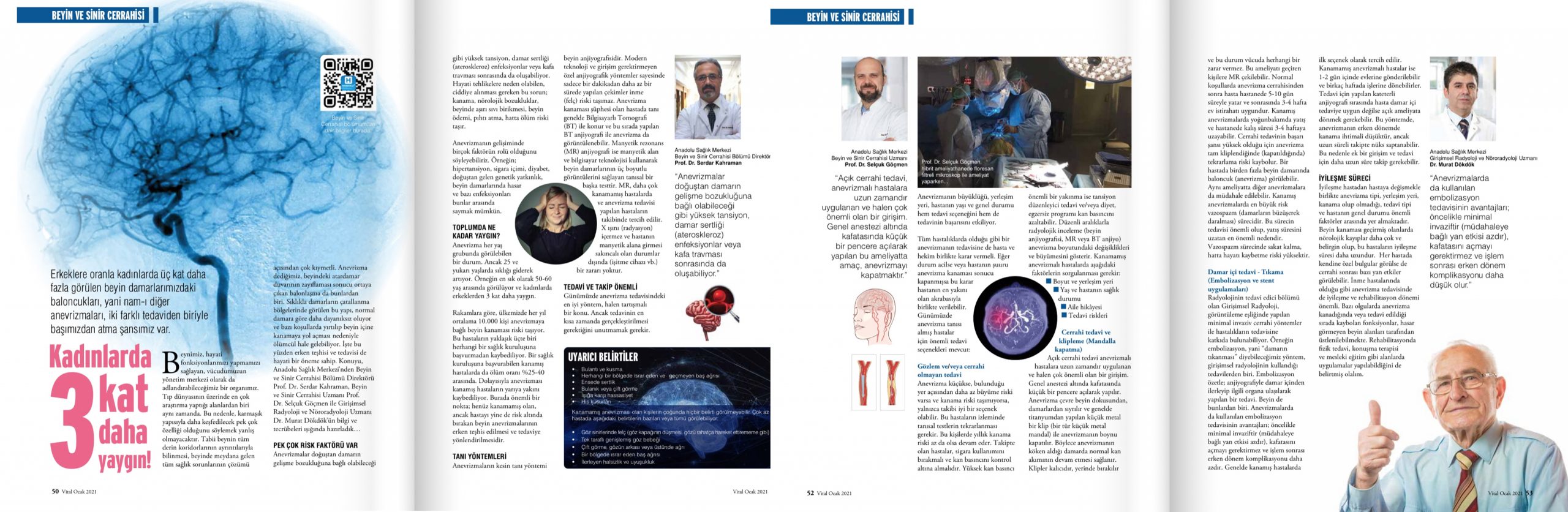
What is an aneurysm?
An aneurysm is an enlargement of a weakened cerebral artery that forms as a bubble. Over time, this bubble can enlarge and if it ruptures, it can lead to serious, life-threatening brain hemorrhages. Aneurysms can often remain silent for a long time without causing any symptoms.
Selçuk Göçmen, Neurosurgery Specialist Selçuk Göçmen emphasizes that early detection of an aneurysm is of vital importance.
More common in women
Aneurysms are reported to occur in women about three times more often than in men. The reasons for this include hormonal factors, differences in vascular structure and genetic predisposition.
Selçuk Göçmen states that aneurysms can occur at any age, but are more common in the 40–60 age range.
Why an aneurysm occurs
Many factors can play a role in the development of aneurysms. The most common causes are as follows:
-
High blood pressure
-
Cigarette use
-
Genetic predisposition
-
Vascular stiffness
-
Head injuries
-
Infections
-
Congenital vascular weakness
The combination of these factors can lead to weakening of the vessel wall and aneurysm formation.
What are the symptoms of an aneurysm?
Aneurysms can often be asymptomatic. However, in some cases, the following complaints may be observed:
-
Sudden and severe headache
-
Neck stiffness
-
Nausea and vomiting
-
Vision disorders
-
Sensitivity to light
-
Loss of knowledge
-
Numbness or "weakness" in the face
It is emphasized that these symptoms require urgent intervention, especially if they occur suddenly and severely.
How is an aneurysm diagnosed?
An aneurysm is diagnosed by means of a detailed nöroological examination followed by a detailed visual inspection. Selçuk Göçmen, in recognition sürecinde:
-
Computed tomography
-
Magnetic resonance imaging
-
Brain angiography
such methods are used. In our day and age, aneurysms can be detected earlier and more clearly thanks to advanced visualization techniques.
What happens if an aneurysm is not treated?
Untreated aneurysms can grow larger over time and the risk of rupture increases. In the event of an aneurysm rupture, cerebral hemorrhage may develop, which is life-threatening.
Selçuk Göçmen notes that aneurysm bleeding develops suddenly and can result in permanent damage or death if not treated quickly.
Aneurysm treatment methods
The main goal of aneurysm treatment is to isolate the bubble-shaped vessel from the circulation. Treatment methods are determined according to the patient's age, general condition and location of the aneurysm.
Surgical treatment
In the first surgical method, a clip is placed around the neck of the aneurysm to cut off blood flow. This method has been practiced with confidence for many years.
Endovascular treatment
In this method, special materials are inserted into the inside of the aneurysm. Thus, the aneurysm is filled and blood flow is stopped.
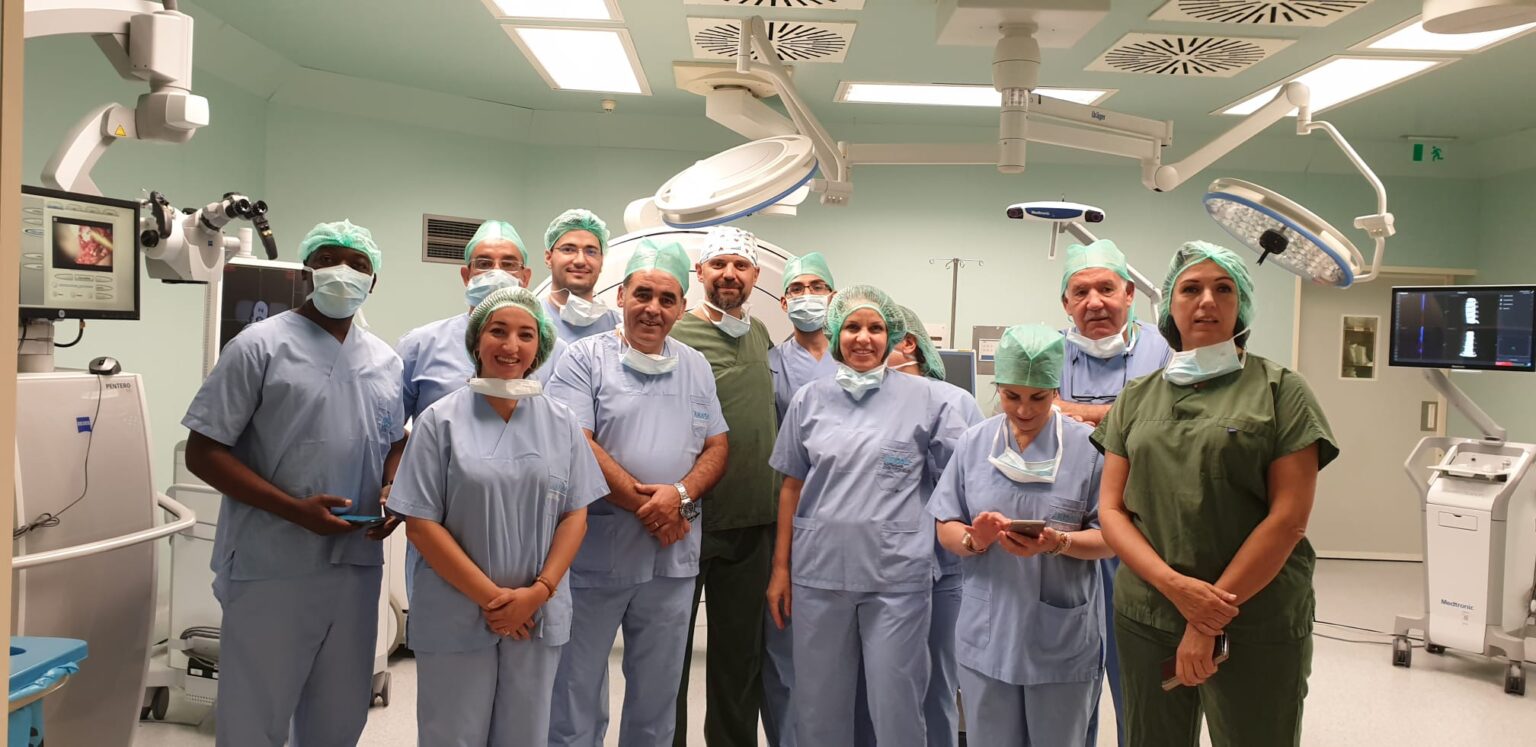
More efficient surgery with hybrid operating room
Selçuk Göçmen states that surgeries performed in hybrid operating rooms increase surgical safety. Hybrid operating rooms:
-
Advanced görüntüing systems
-
Navigation devices
-
Intraoperative nöromonitisörization
can be used in the same environment. In this way, it is stated that surgery can be performed in a more precise and controlled manner.
The recovery process
The recovery period after aneurysm treatment can vary from patient to patient. With early diagnosis and appropriate treatment, a large proportion of patients can return to their daily lives.
Selçuk Göçmen emphasizes that regular post-treatment check-ups and compliance with doctor's orders are extremely important.