
What are Brain Tumors?
Just like in all organs in our body, cancer can develop in the brain. However, the situation is not as it used to be; there are now many new methods in the diagnosis and treatment of brain tumors, from special biopsy techniques to targeted therapies. Moreover, the results are more successful with the collaborative work of different disciplines (multidisciplinary approach, neuro-oncology councils).
The brain is a small but vast functional area composed of thousands of folds and pathways. Every study conducted on it is like digging a well with a needle. Despite its complex structure, the areas that remain in the dark continue to be illuminated by the light of science every day. While diseases that arise in our central organ, the brain, can be controlled with smart treatments, the progress made in the diagnosis and treatment of brain tumors, in particular, is already bearing abundant fruit, which is a great source of pride for the medical world. Today, brain tumors are evaluated in the finest detail with surgical, radiotherapy, and systemic treatments using new technologies and techniques, guided by the strong collective intelligence of numerous different branches. Tumors are better controlled, patients' lifespans are extended, and potential nerve cell damage from treatment is reduced.
130+
According to the World Health Organization (WHO), more than 130 types of tumors can be found in the brain. While tumors that metastasize to the brain from other organs (most commonly from lung and breast cancer) are more common, primary brain tumors originating from the brain's own cells stand out with their numerous different types and complex cellular structures. Family history (genetics), radiation, animal viruses, exposure to certain chemicals, and tobacco use are also major risk factors for the formation of these tumors. Although there is no standard screening method for early detection of brain tumors, it is useful to consider some symptoms as strong signs, as we have mentioned in this article.
In 2019, approximately 10 million people died from cancer. The most common causes of cancer are tobacco and alcohol use, unhealthy diet, inactivity, and air pollution. China, India, and the USA have the highest cancer death rates. Cancers most commonly cause cancer are: first, lung; second, colon and rectum; third, breast; fourth, liver; fifth, leukemia; sixth, stomach; and seventh, brain and central nervous system cancers. Cancer mortality is decreasing, with the most significant decrease seen in lung and respiratory tract cancers, along with a decrease in smoking. The mortality rate for brain tumors remains stable at 3%. Unfortunately, brain tumors are the leading cause of death among childhood tumors.
Brain metastases are frequently observed in brain tumors. Cancers originating from the brain's own cells are primary tumors. These tumors, classified as benign and malignant, differ in adulthood and childhood.
The latest issue of the Neuro-Oncology journal, published in 2023, evaluated 556,000 adult patients aged 15-99 from 59 countries between 2000 and 2014. In adults, diffuse and anaplastic astrocytomas, glioblastoma, and oligodendroglioma were examined. Glioblastoma was the most common tumor in adults. In children, approximately 68,000 patients aged 0-14 from 61 countries were evaluated between 2000 and 2014. Low-grade astrocytomas, ependymomas, and medulloblastomas were examined in these patients. It was stated that surgical treatment, radiotherapy, and chemotherapy for these tumors affected the patient's lifespan and quality of life.
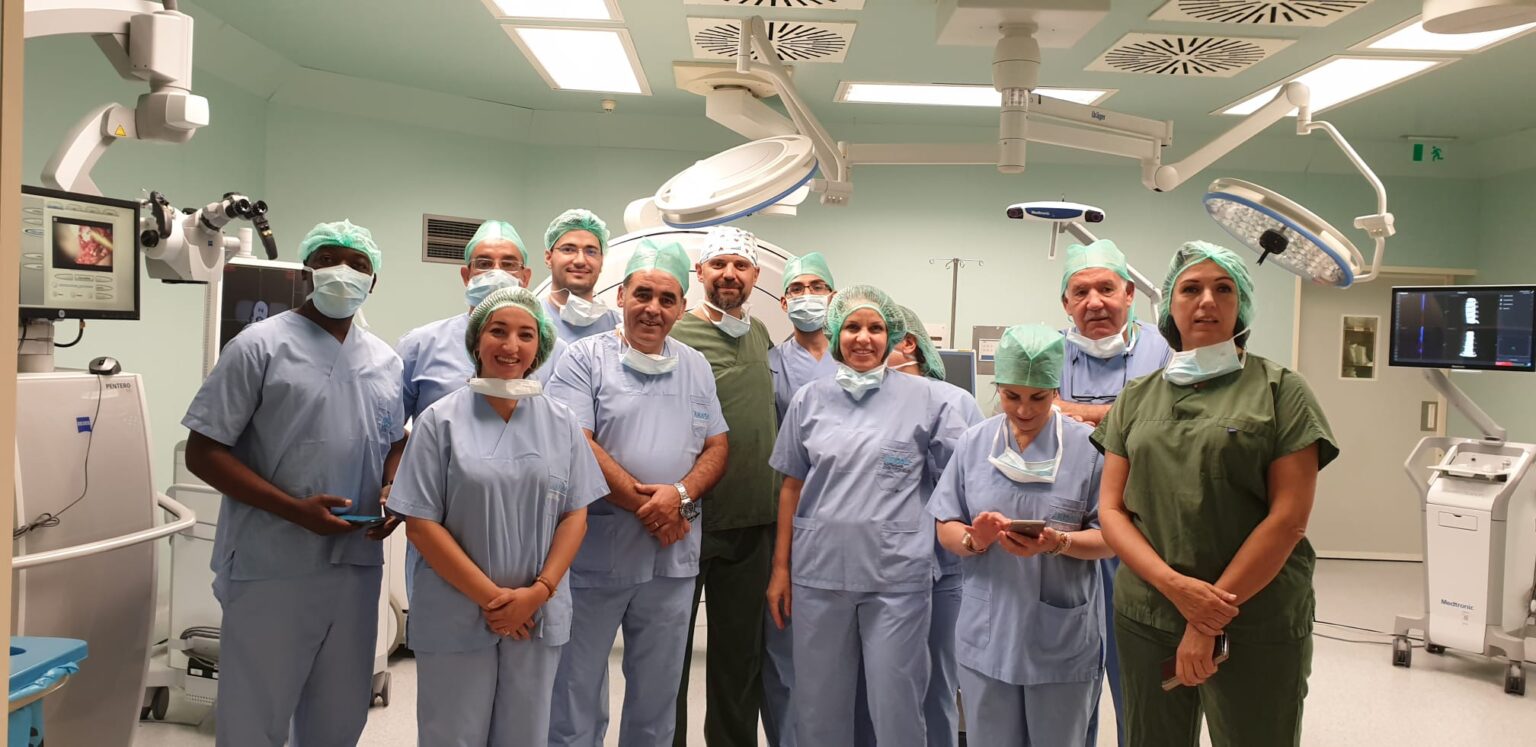
Similar survival rates were reported when comparing Turkey with other countries. With the advancements in technology in recent years, surgeries performed in hybrid operating rooms are more successful, complications are less frequent, and patients can be discharged in a shorter time.
In particular, a doctor should be consulted if one or more of the following symptoms occur: “Headache, vomiting, nausea, visual disturbances, impaired consciousness, seizures (epilepsy), weakness in arms and legs, irritability, loss of appetite, decreased hearing, forgetfulness, speech and comprehension difficulties, inability to write, imbalance, enlargement of hands and feet.”
A CLOSE LOOK AT TUMORS!
In recent years, as a result of developments in molecular pathology, the World Health Organization is updating its tumor classifications. Naturally, this is reflected in practical treatment strategies. Today, microsurgery remains the most important treatment for brain tumors. Stereotactic brain biopsy plays a crucial role, especially in brain tumors where tissue diagnosis is important, and in cases where surgery is not possible or suspicious lesions are present. Despite advances in imaging techniques, it is still used for diagnostic purposes in suspicious brain lesions. It is a safe, effective method with a low complication rate and allows for diagnosis in 95% of cases at our hospital.
“With the advancements in technology in recent years, brain tumor surgeries are performed more successfully in hybrid operating room environments, complications are reduced, and patients recover more quickly.”
Frequently Asked Questions
Q1. Is a brain tumor always cancer?
No. Brain tumors can be benign or malignant. Not every brain tumor means cancer. However, even benign tumors can cause serious symptoms depending on their location.
Q2. What are the symptoms of a brain tumor?
The most common symptoms of brain tumors include headache, nausea, vomiting, visual disturbances, loss of balance, speech difficulties, weakness in an arm or leg, and seizures. Symptoms may vary depending on the location of the tumor.
Q3. How is a brain tumor diagnosed?
The most important method for diagnosing a brain tumor is contrast-enhanced brain MRI. If necessary, advanced imaging techniques and additional examinations are used to evaluate the tumor in more detail.
Q4. When is brain tumor surgery necessary?
Surgery may be planned if the tumor is pressing on the brain, causing neurological symptoms, showing growth, or if the diagnosis needs clarification. The need for surgery is evaluated individually for each patient.
Q5. Is brain tumor surgery risky?
The risk of surgery can vary depending on the location of the tumor. However, modern surgical techniques and advanced technologies used during surgery can reduce risks.
Q6. What methods are used in brain tumor treatment?
Treatment may include microsurgery, radiotherapy, chemotherapy, and in some cases, advanced imaging-assisted procedures. The choice of method depends on the type of tumor.
Q7. Do benign brain tumors require surgery?
Not every benign tumor requires surgery. However, surgical treatment may be necessary for benign tumors that are growing, causing pressure, or causing symptoms.
Q8. What is the recovery time after brain tumor surgery?
The recovery time varies depending on the location of the tumor, the extent of the surgery, and the patient's general condition. While some patients return to daily life quickly, others may require longer follow-up and rehabilitation.